European History offers a rich tapestry of events and cultures that have shaped the modern world. Our carefully curated book list delves into the intricacies of European history, illuminating key moments and figures that have influenced our world today.
Explore these insightful reads to deepen your knowledge and gain a fresh perspective on the complex tapestry of European history. Ready to uncover the fascinating twists and turns that have shaped the continent we know today? Start your journey now with our engaging selection of titles.
The best 93 European History books
- 1

One Of Us
Asne Seierstad, Sarah Death
The Story of Anders Breivik and the Massacre in Norway
4.5 (18 ratings)
Listen to the Intro00:54What's One Of Us about?
One of Us (2015) tells the story of Anders Behring Breivik, the Norwegian terrorist who killed 77 people on July 22, 2011. Beginning with Breivik’s personal life and detailing the development of his extremist political views and his planning of the massacre, these blinks give you an unflinching look into the mind of the man who carried out this devastating and senseless attack.
Who should read One Of Us?
- Those curious about the most tragic day in recent Norwegian history
- People hoping to gain insight into the mind of a terrorist
- Anyone interested in how dangerous poor police work can be
- Listen to the Intro00:51
What's Ukraine Crisis about?
Ukraine Crisis (2014) addresses the peaceful protests and violent conflicts that have rocked Ukraine in recent years. This book take a look at the events surrounding the Maidan uprising, the Russian annexation of Crimea and the ongoing conflict in the Donbas. Importantly, the crisis is put into context not just for the future of Ukraine but also how it affects Russia, the European Union and the world.
Who should read Ukraine Crisis?
- Students and professors of history or politics
- People interested in contemporary history
- Anyone curious about the power play between Russia and the West
- Listen to the Intro00:55
What's This Blessed Plot about?
Nowadays, it’s common knowledge that Britain sees itself as distinct from the rest of Europe. For instance, they use the pound instead of the euro and do not take part in the EU free travel zone. But how did Britain’s relationship with Europe end up like this? That’s what This Blessed Plot (1998) is all about. It explains that, since WWII, Britain has had a conflicted relationship with the European project, filled with negotiations and exemptions. With the “Brexit” now on everyone’s mind, find out more about this complicated history and what it might be able to tell us about Britain’s future.
Who should read This Blessed Plot?
- Anyone interested in the “Brexit” referendum
- Political junkies
- Students of modern European history
- 4

The Gulag Archipelago 1918-1956
Aleksandr Solzhenitsyn
An Experiment in Literary Investigation
4.6 (301 ratings)
Listen to the Intro01:09What's The Gulag Archipelago 1918-1956 about?
The Gulag Archipelago (1973) is a literary chronicle of the Soviet work camps known as gulags, which existed between the years 1918–56. Drawing from his own experience as a prisoner, as well as the reports, memoirs and letters of hundreds of others, author Aleksandr Solzhenitsyn provides a chilling account of the constant dread and horror of life in the gulags, while also charting the psychology and organization behind the government-sanctioned prison system.
Who should read The Gulag Archipelago 1918-1956?
- Students of Soviet history
- Advocates and critics of communism
- Freedom fighters
- 5

Why The West Rules – For Now
Ian Morris
The Patterns of History, and What They Reveal About the Future
4.3 (94 ratings)
Listen to the Intro01:01What's Why The West Rules – For Now about?
Why The West Rules – For Now (2010) is a treatise on Western rule. It examines what “the West” is and how its current dominance came about. Starting with the earliest development of humankind, it rules out racist genetic beliefs and theories of cultural superiority. It describes how East and West have been locked neck and neck in a race for advancement up to the present day. And, of course, it goes on to address the question: will the West’s dominance last?
Who should read Why The West Rules – For Now?
- Anyone wondering why or if the West rules – and what “the West” is
- Historians and archaeologists
- Politicians and those interested in politics
- Listen to the Intro01:36
What's The Silk Roads about?
The Silk Roads (2015) is a comprehensive history of the world, written with an eye to the networks of trade that shaped it. The networks of trade first established in ancient Persia and later linked with Chinese trade routes created a great network between the East and the West. But these Silk Roads are not relics of the past. They have morphed and changed, and their impact can be felt today, right down to America’s fateful engagement in the region where it all began.
Who should read The Silk Roads?
- Economists looking for historical parallels
- Intrigued followers of world events who want to learn about trade
- Historians of all stripes
- 7

Say Nothing
Patrick Radden Keefe
A True Story of Murder and Memory in Northern Ireland
4.2 (55 ratings)
Listen to the Intro01:20What's Say Nothing about?
Say Nothing (2018) explores a shocking true story of murder during the Northern Ireland Conflict. These blinks are a compelling meditation on one of the darkest chapters of Irish history, and shine a light on some of the key figures in the conflict as well as the period’s most notorious atrocities.
Who should read Say Nothing?
- History buffs looking for fresh insights
- True crime enthusiasts
- Avid news readers interested in international relations
- 8

The Origins of Totalitarianism
Hannah Arendt
Hannah Arendt's landmark work about Europe's anti-Semitic and imperialist roots
4.6 (493 ratings)
Listen to the Intro01:16What's The Origins of Totalitarianism about?
The Origins of Totalitarianism (1951) is a landmark work by Hannah Arendt, in which she traces the anti-Semitic and imperialist roots of modern-day totalitarianism in Europe. Starting with the rise of the nation-state in the seventeenth century, Arendt reveals the prejudices and myths that empowered the Nazism and Stalinism of the early twentieth century, and that can lead to the erosion of free-thinking democracy. She also gives clear warning on how to avoid predatory totalitarian movements in the future.
Who should read The Origins of Totalitarianism?
- Students of philosophy and political science
- Anyone interested in how history can teach us about the present
- People concerned about human rights
- Listen to the Intro01:24
What's The Congo from Leopold to Kabila about?
The Congo from Leopold to Kabila (2002) is the history of the Congolese democratic movement in the twentieth century. The history begins with Belgian colonial rule, working its way through Mobutu’s reign of terror, before looking at the Congo Wars and concluding with the prolific unrest still rampant at the turn of the century. This survey illuminates how exploitative external interests and internal weaknesses have hampered the Congolese democratic movement and proposes how it might still advance.
Who should read The Congo from Leopold to Kabila?
- Curious minds interested in Congolese history and its democracy movement
- Students of colonial and postcolonial history
- Africans and non-Africans seeking African history as told from an insider perspective
- Listen to the Intro01:02
What's The Spy and the Traitor about?
The Spy and the Traitor (2018) details the real-life spy story of Oleg Gordievsky, the Soviet double-agent whose efforts contributed to the end of the Cold War. These blinks trace Gordievsky’s progress through the KGB and his years spying for MI6, the British secret service, before his final daring escape to the West.
Who should read The Spy and the Traitor?
- Fans of espionage and spy stories
- History buffs looking for a fresh perspective on the Cold War
- Political science nerds who want to see realpolitik in action
- 11

A Woman of No Importance
Sonia Purnell
The Untold Story of the American Spy Who Helped Win World War II
4.6 (101 ratings)
Listen to the Intro01:07What's A Woman of No Importance about?
A Woman of No Importance (2019) sheds light on the shadowy world of wartime espionage and the career of one of the Allies’ most effective spies in the battle against Nazi Germany – Virginia Hall. In these blinks, we’ll follow Virginia from her Maryland home to the jazz clubs of interwar Paris and the warren-like streets of Lyon, the city in which she learned her trade. Along the way, you’ll discover how the “limping lady” dodged Gestapo agents, martialled the French resistance and revolutionized spycraft.
Who should read A Woman of No Importance?
- Adventure addicts
- History buffs
- Francophiles
- Listen to the Intro01:28
What's The Secret Barrister about?
The Secret Barrister (2019) takes a behind-the-scenes look at the often chaotic and frighteningly disorganized world of England and Wales’ criminal justice system. As revealed by an experienced criminal barrister, the current system is woefully underfunded and suffering from a lack of resources, yet is also under threat from proposed reforms that would impose further cuts. However, there are some reasonable ways for the system to improve.
Who should read The Secret Barrister?
- Students of law and ethics
- Fans of true crime
- Advocates for prison reform
- 13

Dark Towers
David Enrich
Deutsche Bank, Donald Trump, and an Epic Trail of Destruction
4.4 (97 ratings)
Listen to the Intro01:24What's Dark Towers about?
Dark Towers (2020) is a heavily researched look into the ignominious rise and devastating fall of Deutsche Bank. Over the course of 150 years, the bank helped build the American railroad system, funded Nazi genocide, schmoozed Russian oligarchs, and had a hand in the election of President Donald Trump. When Deutsche executive Bill Broeksmit killed himself in 2014, he came to symbolize the destructive power of the bank’s institutional greed.
Who should read Dark Towers?
- People who work in finance
- Anyone still mad about the government’s Wall Street bailout
- Stock market watchers
- Listen to the Intro01:02
What's The Romanovs about?
The Romanovs (2016) charts the stunning rise and dramatic fall of one of the world’s great dynasties. The Romanov family helmed the Russian empire for three centuries filled with family dramas, power struggles, political upheaval, and opulent spending.
Who should read The Romanovs?
- Russophiles and Romanov fans
- Fans of history with a taste for juicy drama
- Revolutionaries brushing up on old-school socialist revolts
- 15

Bedtime Biography: Queen of Fashion
Caroline Weber
What Marie Antoinette Wore to the Revolution
4.5 (75 ratings)
Listen to the Intro02:07What's Bedtime Biography: Queen of Fashion about?
Narrated by Marston York
Music by Federico CoderoniQueen of Fashion (2006) unveils the untold ways in which Marie Antoinette, with her iconoclastic sense of fashion and rebellious nature, challenged the status quo of 18th century French court. Expressing herself through daring originality, her story reveals a great deal about the revolutionary politics that make up the history of both fashion and France.
Who should read Bedtime Biography: Queen of Fashion?
- Fashionistas wanting to know more about the link between power and clothing
- Francophiles obsessed with Marie Antoinette
- History students interested in the French Revolution
- 16

The Diary of a Young Girl
Anne Frank
The famous story of a Jewish girl who went into hiding during the Second World War
4.8 (202 ratings)
Listen to the Intro00:58What's The Diary of a Young Girl about?
The Diary of a Young Girl (first published 1952; this edition 1977) tells the story of Anne Frank, a Jewish girl who went into hiding with her family during the Second World War. It offers a remarkable portrait of a maturing young woman forced into an unbelievable situation but rising to the occasion. In her diary, Anne shares her thoughts and dreams, revealing a remarkable talent that was tragically taken from the world, along with millions of other lives during the Holocaust.
Who should read The Diary of a Young Girl?
- People interested in stories of life during wartime
- Anyone who likes true stories of resilience and survival
- Young women looking for inspirational figures
- Listen to the Intro01:07
What's Wagnerism about?
Wagnerism (2020) chronicles how the works of Richard Wagner have influenced thinkers in the years since his death. Exploring the multitude of ways in which people have interpreted his music, it looks beyond his artistic legacy to his political influence – most of all on the Nazi party.
Who should read Wagnerism?
- Classical music fans who want to broaden their knowledge
- Historians interested in the role of music and culture
- Politics enthusiasts who want to explore the history of ideas
- 18

The Light of Days
Judy Batalion
The Untold Story of Women Resistance Fighters in Hitler's Ghettos
4.7 (79 ratings)
Listen to the Intro01:26What's The Light of Days about?
The Light of Days (2021) tells the thrilling and harrowing story of the Jewish women in Nazi-occupied Poland who served as resistance fighters during World War II. These women took up arms in ghetto uprisings and served as important couriers on dangerous missions to transport guns and supplies across a hostile territory.
Who should read The Light of Days?
- History buffs
- Anyone interested in forgotten World War II stories
- People who are inspired by fearless women
- 19

Flash Crash
Liam Vaughan
A Trading Savant, a Global Manhunt, and the Most Mysterious Market Crash in History
4.4 (83 ratings)
Listen to the Intro01:12What's Flash Crash about?
Flash Crash (2020) tells the story of the “Hound of Hounslow,” Navinder Singh Sarao, a British man accused of triggering the sudden and dramatic stock market crash of 2010. This is a detailed and fast-paced tale of global fraud and quixotic dreams.
Who should read Flash Crash?
- Those with an interest in financial fraud and daring swindles
- Fans of gripping investigative journalism
- Anyone who follows global finance
- 20

The Twelve Caesars
Suetonius
The triumphs and tragedies of the Roman Empire's first emperors
4.5 (323 ratings)
Listen to the Intro00:59What's The Twelve Caesars about?
The Twelve Caesars (121 CE) is one of the most colorful biographical works ever written. By turns opinionated, sensational, and dramatic, it documents the lives of the men who wielded absolute power in Rome after its transformation from a republic into an empire in 27 BCE. A one-time private secretary to one of those emperors, Hadrian, Suetonius was intimately familiar with court life. In the Twelve Caesars, he uses that knowledge to shed light on the highs and lows of the empire’s early years, as well as on the virtues and all-too-human failings of its supposedly divine rulers.
Who should read The Twelve Caesars?
- History buffs
- Classicists
- Fans of drama and intrigue
- 21

All the Frequent Troubles of Our Days
Rebecca Donner
The American Woman Behind the German Resistance to Hitler
4.5 (161 ratings)
Listen to the Intro01:36What's All the Frequent Troubles of Our Days about?
All the Frequent Troubles of Our Days (2021) offers a deeply intimate look at individuals who risked their lives by establishing an anti-Nazi resistance movement in Germany. With years of research, and access to letters and declassified documents, this is a detailed story about people who have often been overlooked in the fight against fascism.
Who should read All the Frequent Troubles of Our Days?
- Fans of real-world espionage stories
- People curious about life in WWII-era Germany
- History buffs
- Listen to the Intro04:58
What's Bedtime Biography: Stasiland about?
Read to you by Karen Cass.
In East Germany, a spy agency called the Stasi built the most sophisticated surveillance network the world has ever seen. For almost 30 years, East Germans were confined physically by the Berlin Wall, but the Stasi’s network of spies and informers was responsible for keeping them in check mentally. It’s hard to imagine what everyday life is like for victims of a surveillance state. Stasiland is their story.Who should read Bedtime Biography: Stasiland?
- Cold War buffs
- People interested in true-life espionage
- History fans
- Listen to the Intro01:07
What's The Happiest Man on Earth about?
The Happiest Man on Earth (2020) is the true story of one man, who survived inconceivable horrors during the Holocaust, and afterward made it his mission to change the world for the better. Eddie Jaku saw first-hand how a Fascist regime could spark anti-Semitic hatred, and turn former friends and neighbors into killers. In talking about what happened, he shares how love and kindness helped him to survive one of the worst atrocities in human history.
Who should read The Happiest Man on Earth?
- History buffs interested in the Holocaust and fascism
- Memoir-lovers excited to hear the story of an extraordinary man
- People who want to learn more about surviving complex trauma
- Listen to the Intro01:08
What's Powers and Thrones about?
Powers and Thrones (2021) is a comprehensive history of the Middle Ages. Tracing time from the fall of the western Roman Empire to the Protestant Reformation, these blinks reveal how forces such as global networks, climate change, mass migration, pandemics, and technological innovation, as well as political leaders, the clergy, and knights, shaped the medieval world.
Who should read Powers and Thrones?
- History nerds fascinated by the Middle Ages
- Anyone curious about the history of pandemics
- Sociologists, archeologists, and political scientists
- Listen to the Intro01:07
What's The Gates of Europe about?
The Gates of Europe (2015) offers a compelling overview of the history of Ukraine, a nation which lies between the East and the West. Due to this unique geographic position, Ukraine has been fought over and subjugated by a long line of imperial forces throughout history. Indeed, the history of Ukraine is one of the most important facets in the history of Europe.
Who should read The Gates of Europe?
- History buffs
- People curious about Russian-Ukrainian relations
- Anyone interested in democracy
- Listen to the Intro00:54
What's Dominion about?
Dominion (2021) is a grandiose look at the impact Christianity has had on the development of the Western mind. From its roots in antiquity to the pop singles of the twentieth century, the story follows the dramatic development of Christian thought over three thousand years.
Who should read Dominion?
- Lovers of broad-sweep history
- Those looking for an insouciant take on European history
- Anyone who thinks they know what Christianity is all about
- 27

The Forgotten 500
Gregory A. Freeman
The Untold Story of the Men Who Risked All for the Greatest Rescue Mission of World War II
4.6 (207 ratings)
Listen to the Intro01:02What's The Forgotten 500 about?
The Forgotten 500 (2007) tells the story of Allied airmen who were trapped behind enemy lines in World War II and the courageous citizens of Yugoslavia who risked everything to help them get home. For political reasons, the story remained classified for decades until the 1980s. But now, the events leading to the largest rescue operation of the war are available to us all.
Who should read The Forgotten 500?
- Any and all who are interested in the Balkans or World War II history
- Serbians and Americans looking to learn more about their nations’ past
- Everyone who enjoys a riveting story about people overcoming overwhelming odds
- Listen to the Intro01:46
What's Elizabeth the Queen about?
Elizabeth the Queen (2012) is a brisk yet in-depth exposé of Britain’s longest-reigning monarch, Queen Elizabeth II. Tracing key moments in her life, big and small, lighthearted and tragic, it pulls back the curtain on a most singular figure. Elizabeth II was at once a woman who struggled to balance her roles as both mother and monarch; a leader who learned to embody dignity and diplomacy; and the calm epicenter of the drama that ever swirled around her closest relations.
Who should read Elizabeth the Queen?
- Royal watchers and anglophiles
- Americans interested in British politics
- Biography lovers
- Listen to the Intro01:14
What's The Anglo-Saxons about?
The Anglo-Saxons (2021) is a history of the Germanic warriors and settlers whose arrival in Britain in the sixth century changed the course of the island’s history. Beginning with the collapse of Roman rule, it charts the rise of Anglo-Saxon kingdoms, their conversion to Christianity, and the gradual unification of the country that became known as England. Along the way, it sheds light on the development of England’s language, culture, cities, and political and religious institutions.
Who should read The Anglo-Saxons?
- History buffs
- Anglophiles
- Medievalists
- 30

The Nazi Conspiracy
Brad Meltzer and Josh Mensch
The Secret Plot to Kill Roosevelt, Stalin, and Churchill
4.6 (312 ratings)
Listen to the Intro02:07What's The Nazi Conspiracy about?
The Nazi Conspiracy (2023) tells the thrilling true story of the first meeting between the leaders of the Allied forces during the height of World War II – and the top-secret Nazi plot that almost changed the course of history. Full of drama, twists, and political intrigue stretching all over the world, it shows how the three leaders – Franklin Roosevelt, Winston Churchill, and Joseph Stalin – defied all odds, and arranged one of the most pivotal events in the entire war.
Who should read The Nazi Conspiracy?
- World War II buffs looking for a deep exploration of one of the lesser-known developments of the war
- Armchair historians interested in the small events that changed the world
- Anyone who loves political drama, intrigue, and a good spy story
- Listen to the Intro01:43
What's The Nightingale about?
The Nightingale (2015) is a historical novel telling the often-neglected story of those left behind when soldiers go off to war. Set in northwestern France during World War II and told through the eyes of two sisters, this sweeping saga reveals the hidden horrors, and heroism, of the survivors.
Who should read The Nightingale?
- Historical fiction buffs looking for a well-told tale from a new angle
- Literature lovers craving epic stories of survival
- Anyone interested in the true costs of war on all fronts
- Listen to the Intro01:07
What's The Cold War about?
The Cold War (2003) provides an overview of the conflict that defined the second half of the twentieth century. Beginning in the immediate aftermath of World War Two, it traces the Cold War’s development through the rest of the century, laying out its underlying causes and overall contours.
Who should read The Cold War?
- History buffs
- Students of military strategy and foreign relations
- Those who want to understand one of the twentieth century’s defining conflicts
- 33

Letter to the American Church
Eric Metaxas
A Call for Christians and Church Leaders to Learn From the Past
4.1 (39 ratings)
Listen to the Intro00:53What's Letter to the American Church about?
Letter to the American Church (2022) is part cautionary tale, part call-to-action to churches in America. It challenges Christians to speak up and be more involved in shaping the state of the country, even if that means getting political.
Who should read Letter to the American Church ?
- Christians interested in politics
- Lutheran scholars
- Church leaders
- 34

River of the Gods
Candice Millard
Genius, Courage, and Betrayal in the Search for the Source of the Nile
4.3 (35 ratings)
Listen to the Intro01:28What's River of the Gods about?
River of the Gods (2022) follows two audacious individuals as they search for the source of the world’s longest river. At the time, this was a question of mythical proportions, and one which would consume and break the men sent to answer it.
Who should read River of the Gods?
- History buffs
- Travel lovers
- Anyone who grew up with navigation apps on their smartphone
- Listen to the Intro00:59
What's Jane Eyre about?
Jane Eyre (1874) is an intense, intimate portrait of a young woman’s search to find her place in Victorian society without compromising her passionate ideals. It follows her as she navigates life’s obstacles – and her developing love for the mysterious Edward Rochester.
Who should read Jane Eyre?
- Hopeless romantics who crave plot twists and turns
- History lovers keen to get a window into life as a nineteenth-century governess
- Fans of period dramas like Outlander and Bridgerton
- 36

Ordinary Men
Christopher R. Browning
Reserve Police Battalion 101 and the Final Solution in Poland
4.7 (38 ratings)
Listen to the Intro01:33What's Ordinary Men about?
Ordinary Men (1992) tells the disturbing tale of how a group of men went from “ordinary” to brutal, hardened killers executing the Nazi mission during the Holocaust. It examines in detail the evolution of these men’s attitudes, from the beginning when most experienced disgust at the gruesome tasks they were asked to carry out, through to the end when almost all had become accustomed to the cruelty and some even came to delight in it. Above all, it is a warning and a reminder of what humanity is capable of in its darkest moments.
Who should read Ordinary Men?
- World War II and Holocaust historians
- Survivors of the Holocaust and their relatives and ancestors
- Anyone who thinks themselves incapable of acts of cruelty
- Listen to the Intro00:45
What's Endurance about?
Endurance (1959) is the epic saga of Sir Ernest Shackleton’s expedition across the Antarctic continent on foot – a journey that became a race against time, the elements, and the harshest climate on earth to rescue his crew.
Who should read Endurance?
- Leaders longing for real-world examples of extraordinary ability
- History buffs craving a front-row seat to the action
- Adventure lovers seeking their next armchair thrill ride
- 38

The WEIRDest People in the World
Joseph Henrich
How the West Became Psychologically Peculiar and Particularly Prosperous
4.2 (169 ratings)
Listen to the Intro02:15What's The WEIRDest People in the World about?
The WEIRDest People in the World (2020) describes why Westerners think and behave so differently from most other people. It also explains how the policies of the Western Church in the realms of marriage and kinship have helped cultivate these odd cultural attributes, transforming the world and helping the West flourish in the process.
Who should read The WEIRDest People in the World?
- Anyone interested in the confluence of history, anthropology, culture, and economics
- Westerners seeking a greater understanding of cross-cultural differences
- Fans of experimental psychology
- Listen to the Intro01:35
What's The Mosquito Bowl about?
The Mosquito Bowl (2022) tells the story of American football stars going to war and playing one more game when they get there. It details a nation divided by bigotry but united by sport and a common enemy.
Who should read The Mosquito Bowl?
- History buffs
- World War II aficionados
- College football fans
- 40

The Pope at War
David I. Kertzer
The Secret History of Pius XII, Mussolini, and Hitler
4.3 (239 ratings)
Listen to the Intro01:24What's The Pope at War about?
The Pope at War (2022) follows the first years of Eugenio Pacelli’s papacy. Based on documents released by the Vatican in 2020, the book reveals the never-before-told story of the pope’s secret negotiations with Hitler.
Who should read The Pope at War?
- World War II history buffs
- Students of Catholic history
- Anyone interested in why good people do bad things
- 41

War and Peace
Leo Tolstoy
A Historical Novel on the Irrationality of Human Behavior in War
4.2 (306 ratings)
Listen to the Intro01:27What's War and Peace about?
War and Peace (1869) is a novel that follows the lives of several aristocratic families during the French invasion of Russia and the Napoleonic Wars. It explores themes of love, war, politics, and the human condition, and is considered one of the great works of literature.
Who should read War and Peace?
- Curious minds craving timeless wisdom
- Eager explorers of Russia’s literary landscapes
- Time travelers fond of the Napoleonic era
- 42

The Things We Make
Bill Hammack
The Unknown History of Invention from Cathedrals to Soda Cans
4.3 (205 ratings)
Listen to the Intro01:47What's The Things We Make about?
The Things We Make (2023) dispels the myth around some of the greatest and most ordinary inventions. It retells their making as a creative application of the engineering method, a principle that explains how people in ancient times built some of the marvels that still capture our imagination today.
Who should read The Things We Make?
- Anyone fascinated about how things of beauty and utility are made
- Engineering history buffs
- Curious minds trying to apply the engineering method to their own lives
- 43

The Song of Roland
Anonymous
Teaser: Enter a World of Medieval Heroism, Where Honor Reigns Supreme
4.8 (15 ratings)
Listen to the Intro01:34What's The Song of Roland about?
The Song of Roland (ca. the eleventh century) is an anonymous epic poem that tells the heroic deeds of Frankish king Charlemagne’s knights in their battle against Muslim Saracens in Spain. One of them, military leader Roland, bravely leads his men against the enemy – risking death to defend chivalry, honor, and the Christian religion.
Who should read The Song of Roland?
- Fans of epic poetry and ancient literature
- History buffs interested in medieval Europe and early French culture
- Military history enthusiasts wanting to read early accounts of battles
- 44

The Protestant Ethic and the Spirit of Capitalism
Max Weber
Decode the Link Between Faith and Fortune
3.5 (42 ratings)
Listen to the Intro02:14What's The Protestant Ethic and the Spirit of Capitalism about?
The Protestant Ethic and the Spirit of Capitalism (1905) argues that the work ethic and values of early Protestant sects like Calvinism strongly influenced the development of capitalism in Western Europe. Weber's classic text traces these cultural origins, exploring how religious changes catalyzed the rise of modern economic systems by reshaping mindsets surrounding work, enterprise, and the accumulation of wealth.
Who should read The Protestant Ethic and the Spirit of Capitalism?
- History buffs craving works that explore important cultural trends
- Political minds seeking the foundations of contemporary social divides
- Anyone curious about the roots of modern work culture – and how to change it
- 45
 Listen to the Intro01:11
What's The Trial about?
The Trial ( 1925 ) tells the distressing story of Josef K. who wakes up one morning to find he’s under arrest for an unnamed offense. As cryptic legal proceedings unfold around him, K. struggles to make sense of his predicament or convince others of his innocence. It’s a disturbing parable that raises philosophical questions about personal dignity and free will when pitted against entrenched bureaucracies.
Who should read The Trial?
- People who appreciate surreal, disorienting stories
- Readers and listeners grappling with existential questions
- Anyone who feels alienated from bureaucracy
- 46

The Cherry Orchard
Anton Chekhov
Teaser: Uncover a Rich Tapestry of Family, Love, and Change
4.3 (13 ratings)
Listen to the Intro01:09What's The Cherry Orchard about?
The Cherry Orchard (1904) is a poignant reflection on the fading influence of Russia’s nobility at the dawn of a new age of industry and materialism. The play centers on an aristocratic family returning to its ancestral estate, shortly before the property’s sale. Despite proposals to rescue the estate, the family’s impractical and nostalgic romanticism leads to disaster; the family home is sold to a plebeian millionaire intent on cutting down its titular cherry orchard.
Who should read The Cherry Orchard?
- Fans of classic Russian literature and drama
- History buffs
- Theater lovers unfamiliar with – but curious about – Chekov’s work
- 47

The Faerie Queene
Edmund Spenser
Teaser: Discover an Epic Tale of Virtue, Myth, and Magic in This Classic
4.2 (5 ratings)
Listen to the Intro01:08What's The Faerie Queene about?
The Faerie Queene (1590) is an epic poem combining adventure, romance, and moral instruction. This allegorical masterpiece uses the mythical journeys of knights, ladies, witches, and warriors to explore themes of virtue, chivalry, and the idealized English monarchy.
Who should read The Faerie Queene?
- History buffs, especially lovers of the Renaissance era
- Classicists keen to learn about a seminal work of epic poetry
- True romantics in the mood for tales of chivalry and courtship
- 48

A Tale of Two Cities
Charles Dickens
Teaser: Travel Between Two Worlds, Witness Revolution and Redemption
4.4 (168 ratings)
Listen to the Intro00:47What's A Tale of Two Cities about?
A Tale of Two Cities (1859) is a historical novel set against the backdrop of the tumultuous times of the French Revolution and London in the late eighteenth century. The story revolves around the lives of Charles Darnay, a French aristocrat, and Sydney Carton, a dissolute English lawyer, who share a striking physical resemblance. As the novel unfolds, it explores themes of sacrifice, resurrection, and the stark contrast between the two cities of Paris and London, ultimately culminating in a powerful and emotionally charged climax.
Who should read A Tale of Two Cities?
- History enthusiasts
- Literature lovers
- Students of social justice
- Listen to the Intro01:10
What's Areopagitica about?
Areopagitica (1644) details Milton's passionate appeal for freedom of the press and against censorship. Arguing for the right to freely express and circulate ideas, it erects a crucial pillar of democratic society.
Who should read Areopagitica?
- Freedom of speech advocates
- Aspiring political scientists
- Literature enthusiasts
- Listen to the Intro01:22
What's The Odyssey about?
The Odyssey (c. eighth century BC) is one of the foundational works of Western literature. The ancient Greek epic chronicles the arduous 10-year journey of hero Odysseus as he strives to return home from the Trojan War. Battling vengeful gods, mythical monsters, and the siren call of temptation, Odysseus's quest is not just for Ithaca, but for identity and meaning in a turbulent world.
Who should read The Odyssey?
- Adventurers who love an epic travel story
- Fans of fairy tales, fantasy, and mythology
- Students of classic literature
- 51
 Listen to the Intro01:44
What's The Art Thief about?
The Art Thief (2023) is the remarkable true story of a Europe-wide crime spree that lasted over a decade and netted almost two billion in stolen art. Along the way exposing how an enabling family, and international rules of criminal investigation, led to many of the most important works being destroyed.
Who should read The Art Thief?
- True crime lovers looking for an unusual tale
- Psychology buffs curious about intimate portraits of narcissistic personalities in action
- Anyone curious about how important works of art disappear, and why they are so often never recovered
- 52

The Unbearable Lightness of Being
Milan Kundera
Embark on an Unforgettable Journey Through the Complexities of Human Existence
4.2 (75 ratings)
Listen to the Intro02:07What's The Unbearable Lightness of Being about?
The Unbearable Lightness of Being (1984) tells the story of the intertwined lives of two couples navigating love, politics, and existential dilemmas in Soviet-era Czechoslovakia. By exploring the concepts of “lightness” and “weight” it offers reflections on fate, the choices we make in life, and the very nature of existence.
Who should read The Unbearable Lightness of Being?
- Philosophers looking to explore the nature of existence through a classic narrative
- History buffs interested in personal lives amid the politics of Soviet-era Czechoslovakia
- Artists curious about the interplay between personal freedom and societal constraints
- Listen to the Intro01:23
What's Poor Things about?
Poor Things (1992) is an award-winning postmodern novel that takes readers on a whirlwind tour through the monstrous and gothic world of late-Victorian Glasgow. A Frankenstein-esque tale of a dubious scientific experiment, it playfully subverts genre conventions to provide a fresh perspective on the representation of women in literature.
Who should read Poor Things?
- Fans of satirical postmodern literature
- History buffs who love all things Victorian
- Sci-fi enthusiasts interested in a modern take on Frankenstein
- 54

The Boy in the Striped Pajamas
John Boyne
Teaser: Heartbreaking Truths Unfold in a Tale of Friendship and Innocence
4.9 (7 ratings)
Listen to the Intro01:18What's The Boy in the Striped Pajamas about?
The Boy in the Striped Pajamas (2006) is a best-selling historical novel. It’s the tale of the secret friendship between two nine-year-old boys, Bruno and Shmuel, who both live at Auschwitz, only on opposite sides of the fence.
Who should read The Boy in the Striped Pajamas?
- Young people
- Fans of historical fiction
- Anyone who enjoys moving stories about friendship
- 55

Ulysses
James Joyce
Teaser: Explore the Epic Odyssey of This Towering 20th-Century Classic
4.2 (167 ratings)
Listen to the Intro01:01What's Ulysses about?
Ulysses (1922) is a modernist novel that unfolds over the course of a single day in Dublin on June 16, 1904. The narrative follows two young men as they navigate the city and encounter a diverse array of characters and situations. Through its intricate narrative structures and literary styles, the novel explores themes of identity, consciousness, and the complexities of the human experience.
Who should read Ulysses?
- Fans of classic literature
- Those interested in the origins of modernism
- Anyone curious about a reimagining of The Odyssey
- 56

The Remains of the Day
Kazuo Ishiguro
Teaser: Echoes of Grandeur and Heartache Resonate Through a Stately Home
4.1 (111 ratings)
Listen to the Intro00:53What's The Remains of the Day about?
The Remains of the Day (1989) features one of contemporary literature’s most unforgettable narrators, Stevens, a butler who reminisces on his life in service at one of England’s stately homes in the years leading up to World War II.
Who should read The Remains of the Day?
- Fans of contemporary literature
- History lovers interested in a literary take on the interwar years in England
- Period drama devotees seeking a look at life in a stately home
- Listen to the Intro00:58
What's Escape from Freedom about?
Escape from Freedom (1941) examines the paradox of human freedom: though it is cherished, increased freedom also brings anxiety, responsibility, and a quest for surrendering individuality, which human history and individual development vividly illustrate.
Who should read Escape from Freedom?
- Psychology enthusiasts
- History buffs
- Social science students
- 58

Richard III
William Shakespeare
Teaser: A tyrant's ruthless climb to power and inevitable downfall
4.3 (40 ratings)
Listen to the Intro01:34What's Richard III about?
Richard III (1593) follows the ruthless Duke of Gloucester as he manipulates, murders, and schemes his way to the English throne. Through deception and violence, Richard eliminates rivals including his own brothers and the young princes, but his tyranny ultimately sparks rebellion. The play culminates in Richard's defeat and death at the Battle of Bosworth Field, where Henry Tudor claims victory and establishes the Tudor dynasty.
Who should read Richard III?
- Students of political manipulation
- Theater and literature enthusiasts
- History buffs interested in power
- Listen to the Intro01:13
What's Candide about?
Candide (1759) is a famous satire by French Enlightenment philosopher Voltaire. The novella follows a naive young man’s journey through a world of misfortunes, challenging his unwavering belief in optimism. This timeless tale is a critique of the philosophical notion that all suffering serves a greater cosmic purpose, delivering with razor-sharp wit and provocative insight.
Who should read Candide?
- Philosophy enthusiasts interested in a critique of optimism
- Fans of dark humor and absurdist narratives
- Students of French literature and the Age of Enlightenment
- Listen to the Intro00:39
What's Robinson Crusoe about?
Robinson Crusoe (1719) is a tale of a man who spends 28 years on a remote tropical island near Trinidad. He faces solitude, crafting his survival from his shipwreck’s remains, and encounters cannibals, captives, and mutineers before he is finally rescued.
Who should read Robinson Crusoe?
- Adventure literature lovers
- Students of English literature
- Fans of survival stories
- Listen to the Intro01:22
What's Material World about?
Material World (2023) delves into the profound influence of six fundamental materials on the course of human civilization: sand, salt, iron, copper, oil, and lithium. You'll explore how these elements have not only built and destroyed empires, but are also crucial to shaping our present existence and future. It's a captivating journey revealing the largely unseen impact of everyday materials on our lives, from ancient times to the digital age.
Who should read Material World?
- History enthusiasts intrigued by how materials have impacted civilizations
- Environmentalists interested in sustainable resource management
- Technology buffs fascinated by material innovation and usage
- Listen to the Intro01:19
What's Endgame about?
Endgame (2023) is a penetrating investigation into the British monarchy's current state, grappling with challenges such as an unpopular king and a power-hungry heir. It examines the monarchy's struggles in a rapidly modernizing world, especially following Queen Elizabeth II's death, and the institution's conflicts with antiquated views on race, class, and money.
Who should read Endgame?
- Royal family enthusiasts and history buffs
- Followers of British politics and governance
- Fans of biographies and investigative journalism
- 63

The War of the Worlds
H.G. Wells
Teaser: Immerse Yourself in a Visionary Tale of Extraterrestrial Conflict
4.6 (113 ratings)
Listen to the Intro00:53What's The War of the Worlds about?
The War of the Worlds (1898) tells the classic story of what happened when a series of mysterious cylinders landed in rural English villages at the end of the nineteenth century. What starts as a curious anomaly becomes a horrific tale of intergalactic invasion that has thrilled readers for over a hundred years.
Who should read The War of the Worlds?
- Fans of classic sci-fi
- Anyone interested in literary history
- Visitors from Mars
- 64

Pride and Prejudice
Jane Austen
Teaser: A Timeless Tale Where Love Conquers Societal Norms
3.9 (144 ratings)
Listen to the Intro00:55What's Pride and Prejudice about?
Pride and Prejudice (1813) is the classic story of Elizabeth Bennet and Fitzwilliam Darcy, a couple who must overcome all manner of social and financial obstacles – including their own initial dislike of each other – to find lasting love.
Who should read Pride and Prejudice?
- True romantics seeking an all-time classic love story
- History buffs curious about class life in Regency-era England
- Lovers of classic literature and period dramas
- Listen to the Intro01:12
What's Metropolis about?
Metropolis (2020) charts how cities have profoundly shaped humanity. From Athenian democracy to Baghdad’s bazaars and London finance, it reveals cities as the driving force of civilization for over 200,000 years.
Who should read Metropolis?
- History buffs interested in the evolution of cities
- Readers curious about how people lived in past eras
- Anyone wanting to understand the origins of human civilization
- 66

The Maniac
Benjamín Labatut
Teaser: A Dark, Brilliant Odyssey Through the Legacy of a Polymath
4.1 (25 ratings)
Listen to the Intro01:31What's The Maniac about?
The Maniac (2023) traces Hungarian polymath John von Neumann’s singular legacy on the dreams and nightmares of the twentieth century and our current age of artificial intelligence. A foray that spans the nuclear age and showcases the brilliant minds who helped define it.
Who should read The Maniac?
- Technology enthusiasts interested in the impact it has on humanity
- Those fascinated by mathematicians and scientists who transformed scientific thinking
- Seekers of answers to moral questions surrounding innovation and discovery
- Listen to the Intro00:57
What's Age of Reason about?
The Age of Reason (1794) fiercely critiques organized religion and challenges the legitimacy of the Bible, promoting deism, reason, and free thought over blind faith and dogmatic beliefs. It remains one of the most influential books of all time.
Who should read Age of Reason?
- Advocates of secularism
- Critics of organized religion
- Students of Enlightenment thought
- Listen to the Intro01:12
What's The Scarlet Letter about?
The Scarlet Letter (1850) delves into the repercussions of sin, societal judgment, and the pathway to personal redemption, journeying through the life of Hester Prynne, an adulteress in a Puritan society.
Who should read The Scarlet Letter?
- Fans of historical fiction
- Readers interested in morality tales
- Feminist literature enthusiasts
- Listen to the Intro01:27
What's The Zone of Interest about?
The Zone of Interest (2014) explores the lives of three people under the harsh conditions of a Nazi concentration camp. This brutal narrative, which recently inspired a film adaptation, challenges you to confront the depths of human evil as well as the sparks of resilience in unimaginable circumstances. In it, you’ll encounter a chilling exploration of love, betrayal, and survival set against one of the darkest eras of human history.
Who should read The Zone of Interest ?
- Fans of historical fiction and WWII narratives
- Anyone interested in moral and ethical dilemmas
- Enthusiasts of psychologically complex character studies
- Listen to the Intro01:58
What's How Fascism Works about?
How Fascism Works (2018) provides an analysis of the politics of manipulation and division. In it, you’ll explore how authoritarian ideologies construct narratives, undermine truth, and seek to reshape society in their image. By the end, you’ll be equipped with a deeper understanding of how fascism really works – and how to identify it in the world around you.
Who should read How Fascism Works?
- Anyone concerned over the world’s current political trajectory
- Students of history or politics looking to learn lessons of the past
- Individuals curious about how political manipulation works
- Listen to the Intro00:50
What's New Cold Wars about?
New Cold Wars (2024) chronicles the United States’ confrontations with Russia and China as they vie for global supremacy. It details the turbulent struggle for military, economic, political, and technological dominance, exploring the pivotal questions of our era – from Ukraine’s battlefield to Taiwan’s tech hubs to the White House Situation Room.
Who should read New Cold Wars?
- Political science enthusiasts
- History buffs
- Professionals in national security and defense
- 72

The Shortest History of Economics
Andrew Leigh
Explore Key Economic Moments and Their Impact on Today’s World
4.1 (235 ratings)
Listen to the Intro00:55What's The Shortest History of Economics about?
The Shortest History of Economics (2024) explores the hidden economic forces that have shaped human history. It examines how capitalism and market systems emerged, linking economic developments to major historical events from the rise of agriculture to modern conflicts.
Who should read The Shortest History of Economics?
- Students seeking context for modern economic theories
- Curious general readers interested in how economies evolve
- Anyone who wants a new lens on human history
- Listen to the Intro01:23
What's Autocracy, Inc. about?
Autocracy, Inc. (2024) explores the intricate networks that link modern authoritarian regimes, highlighting how they collaborate through financial corruption, surveillance technologies, and propaganda to weaken democratic institutions globally. It reveals that these regimes, while not united by ideology, are bound together by a shared pursuit of power and impunity, challenging the democratic world in unprecedented ways.
Who should read Autocracy, Inc.?
- Students and scholars of political science and international relations
- Advocates and activists working to defend democracy and human rights
- Business leaders and economists interested in global market dynamics under autocratic regimes
- Listen to the Intro01:00
What's The Wide Wide Sea about?
The Wide Wide Sea (2024) recounts the final expedition of Captain James Cook, the legendary European “first navigator.” His exploration of a vast uncharted sea led to amazing discovery as well as tragedy. It encapsulates the thrills of scientific advancement while also revealing the perils of colonization.
Who should read The Wide Wide Sea?
- History enthusiasts
- Adventure seekers
- People interested in cross-cultural encounters
- Listen to the Intro01:30
What's Children of Ash and Elm about?
Children of Ash and Elm (2020) provides a sweeping and nuanced exploration of the Viking Age, spanning the years 750 to 1050. Rather than relying on the distorted narratives shaped by historical biases, it delves deeply into the Vikings' culture, politics, and cosmology, offering a more authentic portrayal of their world. It highlights the Vikings’ profound impact as traders, raiders, explorers, and colonists, tracing their influence across an astonishingly vast region – from the eastern shores of North America to the Asian steppe.
Who should read Children of Ash and Elm?
- History enthusiasts fascinated by Viking culture and expansion
- Readers interested in authentic, archaeologically-backed historical narratives
- Scholars exploring pre-Christian religions and ancient cosmologies
- Listen to the Intro01:23
What's Freedom about?
Freiheit (2024) is the autobiography of former German Chancellor Angela Merkel, which she wrote three years after leaving office. In it, Merkel looks back on her life and offers a glimpse into a slice of contemporary events and political history.
Who should read Freedom?
- Anyone interested in contemporary history
- Fans and critics of Angela Merkel
- People who want to learn more about democracies and dictatorships
- 77

This Time Is Different
Carmen M. Reinhart, Kenneth S. Rogoff
Eight Centuries of Financial Folly
4.5 (14 ratings)
Listen to the Intro01:24What's This Time Is Different about?
This Time is Different (2011) analyzes eight centuries of financial crises, demonstrating that despite claims of uniqueness, these crises follow remarkably similar patterns. While countries eventually recover from financial storms, human nature's tendency to believe "this time is different" leads to repeated cycles of crisis, as each generation forgets or ignores the lessons of the past.
Who should read This Time Is Different?
- Policy makers looking to avoid future economic missteps
- Finance workers who want to spot signs of impending crises
- History lovers ready for a deep dive into economic history
- Listen to the Intro01:25
What's Unwell Women about?
Unwell Women (2021) traces the historical misunderstanding and misdiagnosis of women’s bodies throughout medical history. Drawing from historical research. it reveals how medical knowledge has been shaped by gender bias and chronicles the stories of women who have challenged and transformed medical orthodoxy.
Who should read Unwell Women?
- Medical professionals who want to understand historic and current biases
- Women with chronic illnesses struggling to be heard in clinical settings
- Feminists ready to unravel the patriarchal history of medicine
- Listen to the Intro01:40
What's Kaput about?
Kaput (2024) dismantles the myth of invincibility surrounding Europe’s economic powerhouse. You’ll discover how decades of collusion between industry and politics left the nation vulnerable to energy shocks, digital stagnation, and dependence on authoritarian regimes. This is a sharp wake-up call for anyone invested in where Germany – and by extension, Europe – is headed next.
Who should read Kaput?
- Economics students looking into European economic decline
- Business leaders reliant on German supply chains
- German citizens wondering what’s going on with their economy
- Listen to the Intro01:31
What's The Habsburgs about?
The Habsburgs (2020) chronicles the remarkable six-century rise of a dynasty that grew from humble Swiss beginnings into the world’s first truly global empire – not through battlefield victories, but by strategic marriages. Through meticulous historical analysis, it reveals how the same intermarriage practices that built Habsburg power ultimately contributed to their biological and political decline, leaving an indelible mark on European art, culture, and geopolitics that continues to shape our world today.
Who should read The Habsburgs?
- Anyone interested in the political and cultural foundations of modern Europe
- History buffs interested in monarchy and dynastic politics
- Those curious about the internal and external forces that lead to the fall of empires
- Listen to the Intro01:17
What's The French Revolution about?
The French Revolution (1837) is a seminal work that presents the revolutionary period as a series of dramatic episodes told in vivid, often chaotic prose. Through its unconventional style and prophetic tone, it established a new approach to historical writing that emphasized the spiritual and symbolic dimensions of political upheaval, rather than merely documenting events.
Who should read The French Revolution?
- History buffs who love a story with extra flair and drama
- Political philosophers interested in frameworks for understanding societal collapse
- Literature lovers curious about Carlyle’s unique and dramatic storytelling techniques
- Listen to the Intro01:58
What's The Reader about?
The Reader (1995) tells the story of Michael Berg’s love affair with an older woman, Hanna, and his subsequent discovery that she was a concentration camp guard. How could a woman capable of arousing such passion, warmth, and joy have been complicit in the Holocaust? Michael’s question is the question that haunted an entire generation of Germans born after the war: what drove ordinary men and women to commit such extraordinary horrors?
Who should read The Reader?
- Readers drawn to morally complex love stories
- Anyone interested in postwar German identity
- Fans of introspective literary fiction
- 83

The Lives of the Artists
Giorgio Vasari
Teaser: Lives of the Most Eminent Painters, Sculptors, and Architects
4.2 (35 ratings)
Listen to the Intro01:13What's The Lives of the Artists about?
Lives of the Most Eminent Painters, Sculptors, and Architects (1550) chronicles the evolution of Renaissance art in Italy, detailing the innovations, challenges, and cultural contributions of its most influential painters, sculptors, and architects.
Who should read The Lives of the Artists?
- Students and enthusiasts of art history
- Fans of Renaissance art and its cultural impact
- Artists and designers looking for creative insights from the past
- 84

Sir Gawain and the Green Knight
Gawain Poet
Teaser: A Knight’s Test of Honor, Temptation, and Truth
4.4 (89 ratings)
Listen to the Intro02:09What's Sir Gawain and the Green Knight about?
Sir Gawain and the Green Knight (late 14th century) tells the story of a knight from King Arthur’s court who accepts a mysterious challenge from a supernatural visitor. What begins as a public display of bravery turns into a private struggle with fear, temptation, and the cost of keeping one’s word. As Gawain journeys to meet his fate, he’s tested in ways that reveal the tension between outer honor and inner truth.
Who should read Sir Gawain and the Green Knight?
- Fans of medieval literature
- Readers drawn to moral ambiguity
- Anyone curious about Arthurian legend
- Listen to the Intro01:10
What's Enemies and Neighbors about?
Enemies and Neighbors (2017) tells the story of Israel and Palestine, two peoples building nations on the same piece of land and the century of wars, uprisings, and peace deals that have ensued. From the conflicts of the British Mandate to the shattered hopes of the Oslo Accords and beyond, it offers a clear-eyed look at how this relationship has become so volatile and destructive.
Who should read Enemies and Neighbors?
- History buffs looking for an overview of one of the world’s most enduring conflicts
- Documentary fans interested in real-world power struggles
- News junkies who want more context about today’s headlines
- Listen to the Intro01:23
What's Capitalism about?
Capitalism (2025) chronicles the birth and development of our current economic system, tracing a thousand years of history across six continents. Developing from diverse trading networks spanning Asia, Africa, and Europe, capitalism explosively reshaped the world—with enslaved labor camps serving as a crucial launchpad. This work reveals that what now feels inevitable is actually a recent human creation, one that has never matched the ideal of free markets and whose reach still has limits.
Who should read Capitalism?
- Readers curious about how our current economic system came to dominate the world
- History enthusiasts interested in understanding global connections between different regions and time periods
- Students and scholars of economics, politics, or sociology seeking a broad historical perspective on capitalism's development
- Listen to the Intro01:28
What's The Medici about?
The Medici (2016), examines how one modest family became among the most powerful in Europe through banking innovation, political manipulation, and unprecedented cultural patronage. It explores their role in sponsoring the Italian Renaissance alongside their relationships with artists, scientists, and political figures who shaped Western civilization.
Who should read The Medici?
- History enthusiasts interested in Renaissance Italy, or the origins of modern banking and finance
- Political minds interested in how influence operates outside of formal power structures
- Art and culture lovers curious about the patrons responsible for masterpieces by Botticelli, Michelangelo, and Leonardo da Vinci
- 88

The Fifteen Decisive Battles of the World
Edward Shepherd Creasy
From Marathon to Waterloo
4.2 (57 ratings)
Listen to the Intro01:03What's The Fifteen Decisive Battles of the World about?
The Fifteen Decisive Battles of the World (1851) takes us from ancient Athens to the Napoleonic Era, explaining how a handful of conflicts shaped history and set the stage for the modern world. It offers a strong, understandable narrative for European development and the military strategy that changed its trajectory over the years.
Who should read The Fifteen Decisive Battles of the World?
- History lovers who want the big picture
- Listeners of history podcasts
- Fans of military history and strategy
- Listen to the Intro02:29
What's The Coming Storm about?
The Coming Storm (2026) draws lessons from years before the First World War and applies them to our current geopolitical landscape. It offers an in-depth analysis of the rivalries and dynamics of the great European powers of the early 20th century, drawing a line between that era and the early 21st century, paying particular attention to the rivalry between the US and China. It offers an explanation of how WWI eventually broke out and suggests how we might avoid another Great Power war.
Who should read The Coming Storm?
- Politically-savvy folk looking for fresh insights on the current geopolitical landscape
- History buffs who know that it always repeats itself
- Anyone who reads the news and feels fear for the future
- Listen to the Intro01:24
What's World Cup Fever about?
World Cup Fever (2026) traces the history of football’s greatest tournament, the World Cup. This four-yearly collision of athletic brilliance, geopolitical theatre and corporate excess is about so much more than football. Each tournament is a window onto the wider world: reunification, apartheid, revolution, authoritarianism, and the enduring human need for collective joy.
Who should read World Cup Fever?
- Football fans looking for an insider’s view of iconic World Cup moments
- History buffs interested in viewing historical events through a sporting lens
- Political junkies who want to understand how sport and political power intersect
What's Aftermath about?
Aftermath is a powerful memoir by Annette Libeskind Berkovits that chronicles her family's journey through the Holocaust and their struggle to rebuild their lives in the aftermath. Through vivid storytelling, Berkovits explores themes of resilience, survival, and the enduring impact of trauma. This book offers a deeply personal account of one family's experience, while also shedding light on the broader historical and human implications of the Holocaust.
Who should read Aftermath?
- Readers who are interested in personal stories of resilience and overcoming adversity
- Individuals who want to gain a deeper understanding of the long-term impact of historical events, such as the Holocaust
- Those who appreciate memoirs that offer insights into human strength and the power of hope
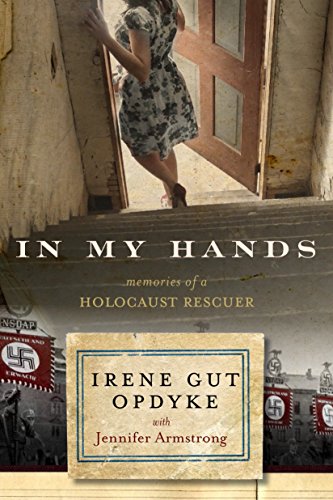
What's In My Hands about?
In this gripping memoir, Irene Opdyke recounts her experiences as a young Polish woman who becomes a housekeeper for a high-ranking Nazi officer during World War II. Risking her own life, she uses her position to secretly aid Jewish prisoners, ultimately saving the lives of many. "In My Hands" is a powerful testament to the strength of the human spirit and the extraordinary acts of bravery in the face of unimaginable evil.
Who should read In My Hands?
- Individuals who are interested in World War II history
- Readers who enjoy inspiring true stories of resilience and heroism
- People who want to learn about the power of kindness and compassion in the face of adversity
What's The Hiding Place about?
The Hiding Place is a memoir by Corrie ten Boom, a Dutch woman who, along with her family, helped hide Jews during the Nazi occupation of the Netherlands. The book recounts their courageous acts of resistance and the harrowing experiences they faced in a concentration camp. It is a powerful story of faith, hope, and the resilience of the human spirit in the face of adversity.
Who should read The Hiding Place?
- Anyone seeking inspiration from a true story of courage and resilience
- Readers interested in learning about history and the impact of World War II
- Individuals looking to gain insights on forgiveness, faith, and the power of hope



Related topics
Frequently asked questions about European History
What's the best European History book to read?
While choosing just one book about a topic is always tough, many people regard One Of Us as the ultimate read on European History.
What are the top 10 European History books?
Blinkist curators have picked the following:
- One Of Us by Asne Seierstad, Sarah Death
- Ukraine Crisis by Andrew Wilson
- This Blessed Plot by Hugo Young
- The Gulag Archipelago 1918-1956 by Aleksandr Solzhenitsyn
- Why The West Rules – For Now by Ian Morris
- The Silk Roads by Peter Frankopan
- Say Nothing by Patrick Radden Keefe
- The Origins of Totalitarianism by Hannah Arendt
- The Congo from Leopold to Kabila by Georges Nzongola-Ntalaja
- The Spy and the Traitor by Ben Macintyre
Who are the top European History book authors?
When it comes to European History, these are the authors who stand out as some of the most influential:
- Asne Seierstad, Sarah Death
- Andrew Wilson
- Hugo Young
- Aleksandr Solzhenitsyn
- Ian Morris