Embark on a fascinating exploration of the human brain with our curated book list on neurology. From the intricate workings of neurons to the mysteries of consciousness, these books offer captivating insights into the field of neuroscience.
Whether you're a science enthusiast or simply curious about how the brain functions, this collection will deepen your understanding of our most complex organ. Get ready to unravel the complexities of the mind and discover the wonders of neurology.
Die besten 33 Bücher zu Neurology
- Einleitung anhören01:35
Worum geht's in Always Looking Up?
Always Looking Up (2009) is Michael J. Fox’s candid and inspiring memoir that looks at the challenges and triumphs of living with Parkinson’s disease. Fox explores how he navigated the complexities of work, politics, faith, and family while maintaining optimism and purpose. Through his reflections, he offers a powerful perspective on resilience, showing how to find hope and meaning even in the face of life’s toughest uncertainties.
Wer Always Looking Up lesen sollte
- Individuals facing chronic illness or disabilities
- Fans of Michael J. Fox’s work and life
- Anyone interested in inspirational and motivational stories
Worum geht's in Uncle Tungsten?
Uncle Tungsten is a memoir by Oliver Sacks that delves into his childhood fascination with chemistry and the world of science. Through vivid storytelling, Sacks takes us on a journey through his early years, exploring the wonders of the periodic table, his eccentric family, and the impact of World War II on his upbringing. It is a captivating blend of personal history and scientific exploration that offers a unique perspective on the beauty of the natural world.
Wer Uncle Tungsten lesen sollte
- Curious individuals with an interest in science and chemistry
- Readers who enjoy memoirs that blend personal stories with scientific exploration
- Those who appreciate insightful reflections on childhood, family, and the pursuit of knowledge
Worum geht's in A Primate's Memoir?
A Primate's Memoir is a captivating book by Robert M. Sapolsky that takes you on a journey into the world of wild baboons in East Africa. Through his personal experiences and scientific insights, Sapolsky offers a unique perspective on the behavior, social structure, and ecology of these fascinating primates. It's a thought-provoking and entertaining read that will change the way you see our closest relatives in the animal kingdom.
Wer A Primate's Memoir lesen sollte
- Those with a fascination for primates and African wildlife
- Readers who enjoy memoirs with a blend of humor and scientific insights
- People interested in the complexities of human and animal behavior
Worum geht's in Delusions of Gender?
Delusions of Gender by Cordelia Fine challenges the idea that there are innate differences between male and female brains. Through a combination of scientific research and critical analysis, Fine exposes the flawed assumptions and biases that have shaped our understanding of gender differences. This thought-provoking book invites readers to question long-held beliefs and consider the social and cultural factors that influence our perceptions of gender.
Wer Delusions of Gender lesen sollte
- Anyone interested in understanding the role of gender in shaping behavior and society
- Individuals who want to challenge the assumptions and stereotypes about differences between men and women
- Readers who enjoy thought-provoking and well-researched non-fiction books
Worum geht's in A User's Guide to the Brain?
A User's Guide to the Brain by John J. Ratey explores the inner workings of the human brain in an accessible and informative way. From understanding how the brain develops to how it influences our thoughts, emotions, and behavior, this book offers valuable insights into one of the most complex organs in our body. Drawing on the latest research and real-life examples, it provides practical tips for optimizing brain health and function.
Wer A User's Guide to the Brain lesen sollte
- Those seeking to understand the intricacies of the human brain
- Individuals interested in improving their cognitive function and overall brain health
- People who want practical tips and strategies for enhancing their mental performance
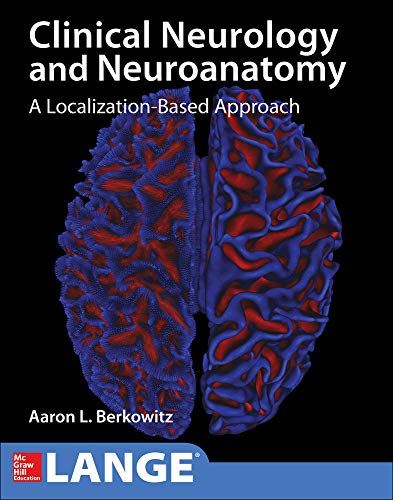
Worum geht's in Lange Clinical Neurology and Neuroanatomy?
Lange Clinical Neurology and Neuroanatomy by Aaron Berkowitz provides a comprehensive overview of neuroanatomy and its clinical applications. It covers a wide range of neurological disorders and their underlying anatomical basis, making it an essential resource for medical students, residents, and practicing neurologists. The book offers clear explanations, accompanied by high-quality illustrations and clinical case studies to enhance understanding.
Wer Lange Clinical Neurology and Neuroanatomy lesen sollte
- Medical students and residents studying neurology
- Healthcare professionals looking to refresh their knowledge of clinical neurology and neuroanatomy
- Neuroscience researchers seeking a deeper understanding of neurological diseases
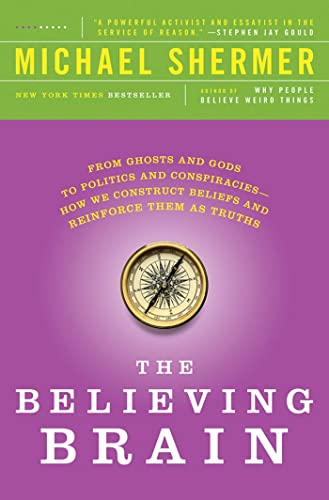
Worum geht's in The Believing Brain?
'The Believing Brain' by Michael Shermer delves into the neuroscience and psychology behind belief formation. Shermer explores how our brains are hardwired to seek patterns and create beliefs, often based on emotions and subjective experiences rather than evidence. Through in-depth research and engaging storytelling, the book challenges our assumptions and encourages critical thinking about the nature of belief.
Wer The Believing Brain lesen sollte
- Readers who are curious about the psychology behind belief formation
- Individuals interested in critical thinking and skepticism
- Those who want to better understand their own cognitive biases
Worum geht's in An Anthropologist on Mars?
An Anthropologist on Mars (1995) is a collection of seven fascinating case studies by renowned neurologist Oliver Sacks. Through these stories, Sacks explores the lives of individuals with neurological conditions, offering profound insights into the complexities of the human brain and the resilience of the human spirit.
Wer An Anthropologist on Mars lesen sollte
- Readers who are curious about the human brain and neurology
- Individuals interested in understanding the experiences of people with neurological conditions
- Those who enjoy thought-provoking stories and insights into the complexities of human perception
Worum geht's in Brain on Fire?
Brain on Fire is a gripping memoir by Susannah Cahalan that chronicles her sudden descent into madness and the harrowing journey to reclaim her life. Cahalan recounts her terrifying experience of being misdiagnosed with a rare autoimmune disease that caused her to lose control of her mind and body. This compelling book sheds light on the complexities of the human brain and the resilience of the human spirit.
Wer Brain on Fire lesen sollte
- Those interested in medical mysteries and rare neurological conditions
- Individuals looking for insights into the resilience and strength of the human mind
- Readers who enjoy personal narratives and stories of overcoming adversity
Worum geht's in Better?
Better by Atul Gawande explores the concept of improvement in various aspects of life, from medicine to education to business. Through real-life examples and insightful analysis, the book delves into how small changes and a commitment to learning can lead to significant advancements and better outcomes.
Wer Better lesen sollte
- Healthcare professionals seeking to improve their practice
- Individuals interested in personal and professional development
- Anyone looking for practical and insightful ways to enhance their skills and performance
Worum geht's in Thinking in Pictures, Expanded Edition?
Thinking in Pictures, Expanded Edition by Temple Grandin provides an intimate look into the mind of an autistic person. Through Grandin's own experiences and insights, the book offers a unique perspective on how individuals with autism think and perceive the world. It challenges our understanding of neurodiversity and emphasizes the importance of embracing different ways of thinking.
Wer Thinking in Pictures, Expanded Edition lesen sollte
- Those who are interested in understanding the unique cognitive style of individuals with autism
- Family members, caregivers, and educators of individuals on the autism spectrum
- Psychologists, researchers, and professionals in the field of neurodiversity
Worum geht's in The River of Consciousness?
The River of Consciousness by Oliver Sacks is a thought-provoking exploration of the mysteries of the human mind. Through a combination of scientific research and personal anecdotes, the book delves into topics such as creativity, memory, and evolution, offering fascinating insights into what it means to be conscious.
Wer The River of Consciousness lesen sollte
- Readers with a deep curiosity about the mysteries of the human mind and consciousness
- Individuals interested in the intersection of science, philosophy, and literature
- Those who appreciate the engaging and insightful storytelling style of Oliver Sacks
Worum geht's in Neuroanatomy Through Clinical Cases?
Neuroanatomy Through Clinical Cases by Hal Blumenfeld is a comprehensive and engaging book that uses real-life clinical cases to teach neuroanatomy. It provides a unique approach to understanding the complexities of the human brain and its functions, making it an invaluable resource for medical students, healthcare professionals, and anyone interested in the field of neuroscience.
Wer Neuroanatomy Through Clinical Cases lesen sollte
- Medical students and residents studying neuroanatomy
- Healthcare professionals seeking a deeper understanding of the human brain
- Anyone interested in the intersection of neuroscience and clinical practice
Worum geht's in Dragons of Eden?
Dragons of Eden by Carl Sagan takes readers on a journey through the evolution of human intelligence. Combining scientific knowledge with captivating storytelling, Sagan explores the origins of our brain, the role of genetics and the impact of culture on our development. This thought-provoking book offers a new perspective on what it means to be human.
Wer Dragons of Eden lesen sollte
- Readers who are curious about the history and future of human intelligence
- People interested in the intersection of science and philosophy
- Those who enjoy exploring complex ideas through engaging and accessible writing
Worum geht's in The Other Brain?
The Other Brain by R. Douglas Fields delves into the world of glial cells and their profound impact on brain function. With captivating storytelling and cutting-edge research, the book challenges the traditional view that neurons are the sole drivers of brain activity. It explores how glial cells play essential roles in learning, memory, and disease, offering a fascinating glimpse into the complex inner workings of the brain.
Wer The Other Brain lesen sollte
- Anyone interested in understanding the role of glial cells in brain function
- Neuroscience enthusiasts and students looking to expand their knowledge
- Individuals with a scientific background who want to explore a different perspective on brain research
Worum geht's in In Search of Memory?
In Search of Memory is a compelling memoir by Nobel Prize-winning neuroscientist Eric R. Kandel. Through personal reflections and scientific discoveries, Kandel explores the complexities of memory and recounts his journey to understand the biological basis of this fundamental aspect of our lives. This book offers a fascinating blend of personal narrative and groundbreaking research, providing deep insights into the inner workings of the human mind.
Wer In Search of Memory lesen sollte
- Individuals interested in understanding the complex workings of memory and the brain
- People seeking insights into the connections between science and personal experience
- Readers curious about the potential implications of memory research for treating neurological disorders
Worum geht's in Still Alice?
Still Alice (2007) by Lisa Genova is a poignant novel that delves into the life of Alice Howland, a renowned linguistics professor who is diagnosed with early-onset Alzheimer's disease. The book takes us on a heart-wrenching journey as Alice grapples with the gradual loss of her memories, independence, and identity, while also exploring the impact of her illness on her family.
Wer Still Alice lesen sollte
- Individuals who want to gain a deeper understanding of Alzheimer's disease
- Family members and caregivers of those living with dementia
- Healthcare professionals working with patients with cognitive impairments
Worum geht's in NeuroTribes?
NeuroTribes by Steve Silberman explores the history of autism and its impact on society. Drawing on personal stories and extensive research, the book challenges misconceptions about autism and advocates for greater understanding and acceptance of neurodiversity.
Wer NeuroTribes lesen sollte
- Parents and family members of individuals with autism
- Professionals in the fields of education, psychology, and neurology
- People who are interested in understanding and embracing neurodiversity
Worum geht's in The Curious Incident of the Dog in the Night-Time?
The Curious Incident of the Dog in the Night-Time (2003) by Mark Haddon is a captivating novel that offers a unique perspective on the world. Through the eyes of a 15-year-old boy with autism, it delves into themes of family, truth, and the power of perspective. The book takes readers on a thought-provoking journey as it unravels the mystery surrounding a neighbor's murdered dog.
Wer The Curious Incident of the Dog in the Night-Time lesen sollte
- Readers who enjoy unique and unconventional narrative styles
- People interested in gaining perspective on the experience of individuals with autism
- Those who appreciate a thought-provoking exploration of human behavior and relationships
Worum geht's in The Psychopath Test?
The Psychopath Test by Jon Ronson explores the concept of psychopathy and the industry that surrounds it. Through interviews and research, Ronson delves into the world of mental health professionals, criminal justice systems, and the media, uncovering the controversial and complex nature of diagnosing and understanding psychopathic behavior. With wit and empathy, he challenges our assumptions and raises thought-provoking questions about what it means to be “normal”.
Wer The Psychopath Test lesen sollte
- Individuals curious about the inner workings of the human mind and personality disorders
- People interested in exploring the concept of psychopathy and its impact on society
- Readers who enjoy thought-provoking non-fiction that challenges conventional wisdom
Worum geht's in The Tell-Tale Brain?
'The Tell-Tale Brain' by V. S. Ramachandran delves into the mysteries of the human brain and explores how it shapes our perceptions, behaviors, and experiences. Through fascinating case studies and scientific insights, the book uncovers the secrets of our brain and offers a deeper understanding of what makes us who we are.
Wer The Tell-Tale Brain lesen sollte
- Individuals curious about the inner workings of the human brain
- Students and professionals in the fields of neuroscience, psychology, or cognitive science
- Readers who enjoy thought-provoking explorations of the mind and its mysteries
Worum geht's in Gödel, Escher, Bach?
Gödel, Escher, Bach is a Pulitzer Prize-winning book by Douglas Hofstadter that explores the interconnectedness of mathematics, art, and music. Through an engaging blend of analogies, puzzles, and thought experiments, Hofstadter delves into the works of mathematician Kurt Gödel, artist M.C. Escher, and composer Johann Sebastian Bach to unravel the mysteries of human cognition and the nature of self-reference.
Wer Gödel, Escher, Bach lesen sollte
- Readers who are curious about the nature of human consciousness and creativity
- Individuals interested in exploring the intersection of art, music, mathematics, and technology
- People who enjoy thought-provoking, intellectually stimulating, and mind-expanding literature
Worum geht's in Animals in Translation?
Animals in Translation (2005) by Temple Grandin and Catherine Johnson delves into the fascinating world of animal behavior and cognition. Drawing on Grandin's own experiences as an autistic person and her groundbreaking work in animal science, the book challenges traditional views and offers a unique perspective on how animals think, feel, and communicate.
Wer Animals in Translation lesen sollte
- Animal lovers who want to better understand their furry friends
- Individuals with a passion for behavioral science and psychology
- Professionals working with animals, such as trainers, veterinarians, and zookeepers
Worum geht's in How the Mind Works?
How the Mind Works (1997) by Steven Pinker delves into the fascinating world of cognitive science to explore the inner workings of our minds. From emotions and language to memory and decision-making, Pinker offers insights and explanations on the complex mechanisms that shape our thoughts and behaviors. This thought-provoking book challenges our understanding of the human mind and provides a compelling account of its evolution and functioning.
Wer How the Mind Works lesen sollte
- Readers who are curious about the inner workings of the human mind
- Individuals interested in psychology, neuroscience, and cognitive science
- People who enjoy thought-provoking explorations of human behavior and consciousness
Worum geht's in The Origin of Consciousness in the Breakdown of the Bicameral Mind?
The Origin of Consciousness in the Breakdown of the Bicameral Mind by Julian Jaynes explores the fascinating theory that human consciousness as we know it today did not exist in the same way thousands of years ago. Jaynes proposes that early humans operated under a bicameral mind, where one part of the brain "spoke" to the other, leading to a different form of consciousness. This thought-provoking book delves into the evolution of the human mind and challenges our understanding of what it means to be conscious.
Wer The Origin of Consciousness in the Breakdown of the Bicameral Mind lesen sollte
- Individuals interested in the evolution of human consciousness and the mind
- Psychology enthusiasts looking for a new perspective on how the brain works
- Readers curious about the intersection of science, philosophy, and anthropology
Worum geht's in Buddha's Brain?
Buddha's Brain explores the intersection of neuroscience and mindfulness, offering insights and practical exercises to rewire your brain for happiness, love, and wisdom. Drawing on the teachings of Buddhism and the latest research in neuroscience, Rick Hanson provides a clear and accessible guide to cultivating inner peace and resilience.
Wer Buddha's Brain lesen sollte
Individuals seeking to understand the science behind mindfulness and meditation
People looking to improve their mental well-being and emotional resilience
Readers interested in practical techniques for rewiring their brain for happiness and inner peace
Worum geht's in The Master and His Emissary?
The Master and His Emissary by Iain McGilchrist delves into the fascinating relationship between the brain's two hemispheres and how it shapes our perception of the world. Through extensive research and thought-provoking analysis, the book explores the profound implications of this neurological divide on our culture, society, and even our individual lives.
Wer The Master and His Emissary lesen sollte
- Individuals interested in understanding the complexities of the human brain
- Psychology enthusiasts seeking insights into the nature of consciousness
- People curious about the impact of brain hemispheres on personal and societal behavior
Worum geht's in The Brain's Way of Healing?
The Brain's Way of Healing by Norman Doidge explores the remarkable ability of the brain to heal itself. Through compelling case studies and scientific research, Doidge reveals groundbreaking treatments that harness the brain's neuroplasticity to address a range of conditions, from chronic pain to Parkinson's disease. This book offers hope and new possibilities for those seeking alternative approaches to healing.
Wer The Brain's Way of Healing lesen sollte
Individuals seeking to understand the brain's ability to heal and adapt
People dealing with neurological conditions such as stroke, traumatic brain injury, or chronic pain
Caregivers and healthcare professionals looking for alternative and complementary approaches to traditional treatments
Worum geht's in Descartes' Error?
Descartes' Error by Antonio Damasio explores the relationship between emotions and reason, challenging the traditional view that they are separate and opposing forces. Through fascinating case studies and scientific evidence, Damasio argues that emotions are in fact crucial for decision-making and rational thinking. This thought-provoking book offers a new perspective on the human mind and the way we make choices.
Wer Descartes' Error lesen sollte
Individuals seeking to understand the interplay between emotions and rationality
People interested in the scientific exploration of the human mind and consciousness
Readers who enjoy thought-provoking and intellectually stimulating non-fiction
Worum geht's in Why We Sleep?
Why We Sleep by Matthew Walker explores the science behind sleep and its crucial role in our physical and mental well-being. From the impact of sleep on our immune system to its influence on our creativity and emotional stability, Walker delves into the importance of prioritizing quality rest for overall health. This book offers eye-opening insights and practical tips for improving our sleep habits.
Wer Why We Sleep lesen sollte
Anyone who wants to understand the importance of sleep for overall health and well-being
People who struggle with insomnia or other sleep disorders and are looking for solutions
Individuals interested in the latest scientific research on sleep and its impact on various aspects of life
Worum geht's in Clinically Oriented Anatomy?
Clinically Oriented Anatomy by Keith L. Moore and Arthur F. Dalley is a comprehensive guide to human anatomy that is specifically tailored to medical students. It provides a detailed and clinically relevant understanding of the structure and function of the human body, making it an essential resource for those studying medicine or related fields.
Wer Clinically Oriented Anatomy lesen sollte
Medical students seeking a comprehensive understanding of human anatomy
Healthcare professionals looking to refresh or expand their knowledge of anatomy
Individuals preparing for licensing exams such as the USMLE or COMLEX
Worum geht's in The Concise Book of Muscles?
The Concise Book of Muscles by Chris Jarmey is a comprehensive guide to understanding the human muscular system. It provides clear explanations and detailed illustrations to help readers learn about the structure, function, and common dysfunctions of muscles. Whether you're a student, fitness enthusiast, or healthcare professional, this book is a valuable resource for gaining a deeper insight into the body's intricate network of muscles.
Wer The Concise Book of Muscles lesen sollte
Individuals studying anatomy, kinesiology, or physical therapy
Health and fitness professionals looking to deepen their understanding of the muscular system
Athletes and coaches seeking to improve their training and performance through a better grasp of muscle function
Worum geht's in The Pocket Atlas of Human Anatomy?
The Pocket Atlas of Human Anatomy by Chris Jarmey provides a comprehensive and detailed look at the structure of the human body. With clear illustrations and concise explanations, this book is a valuable resource for students, healthcare professionals, and anyone interested in learning about the intricacies of human anatomy.
Wer The Pocket Atlas of Human Anatomy lesen sollte
Students or professionals in the field of anatomy and healthcare
Massage therapists, physical therapists, or chiropractors
Artists or educators looking to understand and depict the human body accurately




Ähnliche Themen
Häufig gestellte Fragen zu Neurology
Was ist das beste Buch zum Thema Neurology?
Die Wahl eines einzigen Buches zu einem Thema ist immer schwierig, aber viele halten Always Looking Up für die ultimative Lektüre zum Thema Neurology.
Was sind die Top 10 Bücher zum Thema Neurology?
Die Blinkist-Kurator:innen haben Folgendes ausgewählt:
- Always Looking Up von Michael J. Fox
- Uncle Tungsten von Oliver Sacks
- A Primate's Memoir von Robert M. Sapolsky
- Delusions of Gender von Cordelia Fine
- A User's Guide to the Brain von John J. Ratey
- Lange Clinical Neurology and Neuroanatomy von Aaron Berkowitz
- The Believing Brain von Michael Shermer
- An Anthropologist on Mars von Oliver Sacks
- Brain on Fire von Susannah Cahalan
- Better von Atul Gawande
Wer sind die wichtigsten Autor:innen zum Thema Neurology?
Wenn es um Neurology geht, stechen diese Autor:innen als besonders einflussreich hervor:
- Michael J. Fox
- Oliver Sacks
- Robert M. Sapolsky
- Cordelia Fine
- John J. Ratey